Irish culture is not something you simply observe – it is something you feel, participate in, and carry with you.
The month of March is traditionally regarded as the start of the tourist season in Ireland. For Irish visitors, experiencing traditional music, dance and storytelling offers a powerful gateway into the country’s heart and soul. These living traditions are vibrant, expressions of identity, community and creativity. Whether you find yourself in a lively city pub or a small rural village, Ireland’s cultural magic is never far away.
The Soul of Ireland: Traditional Irish Music
Traditional Irish music is one of the most recognizable and beloved folk traditions in the world. Its roots stretch back centuries, shaped by rural life, migration, political upheaval and celebration. Yet despite its long history, it feels alive and immediate.
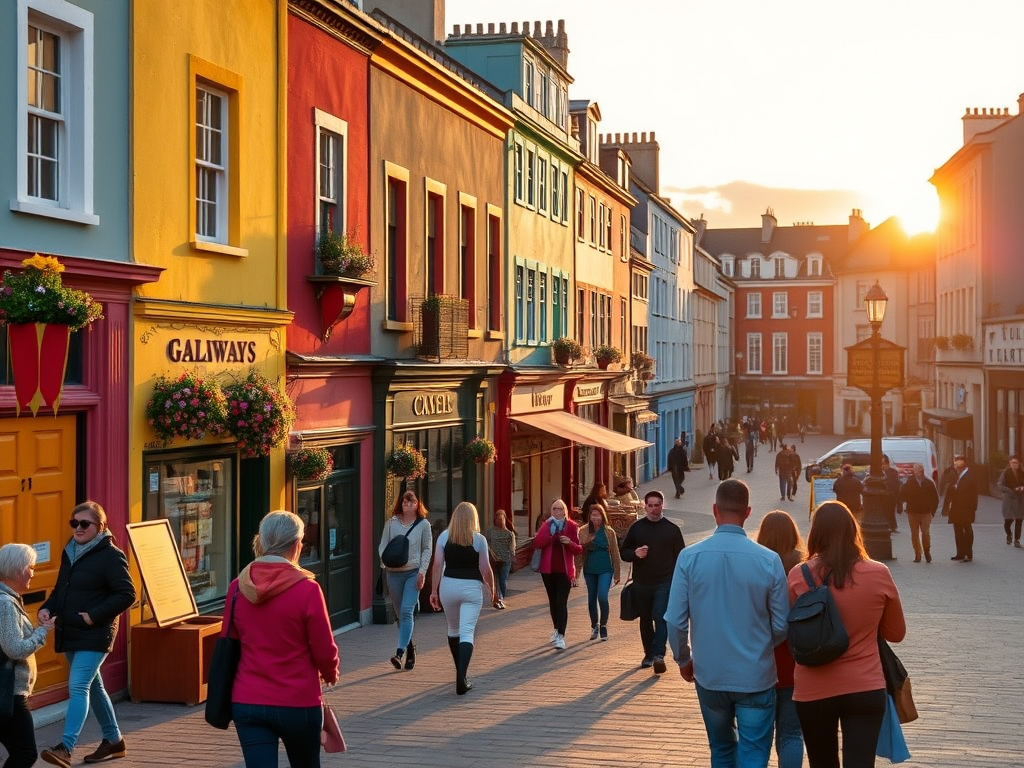
The best way to experience traditional music is at a session — an informal gathering of musicians, usually in a pub. In cities like Galway, regarded as Session City, music spills into the streets most evenings, particularly in the Latin Quarter. In Taaffe’s Bar, Tig Chóilí and the Crane bar, you will find sessions available throughout the week. Fiddles, flutes, uilleann pipes, bodhráns, concertinas and guitars weave together in spirited reels and jigs. There is rarely a formal stage. Musicians sit in a circle, playing for the sheer love of it, and visitors are welcomed as listeners.
A session is not a performance in the modern sense. The tempo rises and falls naturally. Occasionally a singer begins an unaccompanied ballad and the room falls silent in respect.
To truly understand Irish music, its important to appreciate its emotional range. Some dance tunes are joyous and energetic, while others are slow airs, with much longing and reflection. Many melodies were shaped by emigration and hardship, and you can often hear both sorrow and resilience woven into the notes.
County Clare is often called the home of Irish traditional music and for good reason. If you visit Clare, especially around towns such as Ennis and Milltown Malbay, you will find another stronghold of traditional music.
For St Patrick’s week-end 2026, Bunratty Folk Park are offering a Shamrocks & Shenanigans event, celebrating the very best of Irish culture, trad music and dance. In Clare, the music feels deeply rooted in community life, passed down through generations.
The Power of Irish Dance
When people think of Irish dance, they often think of high-energy productions like Riverdance of the 1990s, which introduced millions to Irish step dancing and precision. But the dance tradition itself is much older and far more varied.
Traditional Irish dance falls broadly into two forms: solo step dancing and céilí dancing.
Step Dancing
Step dancing is known for its rapid, intricate footwork and relatively still upper body. It developed in the 18th and 19th centuries and was refined through competitions organized by groups such as Conradh na Gaeilge (the Gaelic League), which sought to preserve Irish language and culture.
You may encounter step dancers performing in pubs, festivals or cultural centres. The sharp clicks of hard shoes on wood floors create a percussion instrument in their own right. Watching a dancer’s feet move at breathtaking speed is a thrilling experience — but even more magical is the atmosphere when dancers perform within a local community gathering, surrounded by music and encouragement.
Céilí Dancing
Céilí (pronounced “kay-lee”) dancing is social and inclusive. Visitors are often invited to join in, even if they have never tried it before. Unlike formal stage performances, céilí dances are about participation rather than perfection.
Held in community halls, pubs or during festivals, céilí dances involve group formations, circles and sets. The steps are lively but accessible and laughter is guaranteed. Don’t worry about getting it wrong – Irish hospitality ensures you will be guided along.
Participating in a céilí is one of the most joyful ways to connect with locals. For many visitors, it becomes a highlight of their trip.
The Ancient Art of Storytelling
Long before Ireland was known for music and dance worldwide, it was famous for its storytellers. In Gaelic society, the seanchaí (traditional storyteller) held a respected role, preserving history, relationships and myth through oral tradition.
Ireland’s mythological pattern – tales of heroes, warriors and otherworldly beings, were passed down through generations before being written in old documents. Stories of Cú Chulainn, the Tuatha Dé Danann and the Fianna still echo through modern Irish culture.
Today, storytelling remains central to Ireland’s identity. You may encounter it in literary festivals, guided tours, intimate pub gatherings or dedicated storytelling evenings. Unlike reading a story silently, hearing it told aloud – with rhythm, gesture and dramatic pause – creates a shared experience between teller and listener.
The storytelling tradition also lives on through Ireland’s extraordinary literary heritage. Writers such as W. B. Yeats and James Joyce drew deeply from Irish folklore, landscape and urban life. Even contemporary Irish writers continue this narrative tradition, blending myth and modernity.
When you attend a storytelling event in Ireland, you are not just hearing a tale – you are participating in a chain of cultural memory stretching back centuries.
Festivals: Culture in Full Bloom
If your visit coincides with a festival, you are in for a special treat. Irish festivals often combine music, dance and storytelling in one joyful celebration.
In Galway, events such as the Galway International Arts Festival transform the city into a vibrant cultural hub. Street performers, musicians, theatre companies and poets fill the streets with colour and sound.
Meanwhile, in Ennis, the Fleadh Nua celebrates traditional Irish music and dance each year, drawing performers and visitors from across the globe. Sessions run from morning until late at night, and the town hums with energy.
The Willie Clancy Summer School is a renowned traditional music summer festival. It’s held annually each July in Miltown Malby. These festivals offer visitors a concentrated immersion in Irish culture — but even outside festival season, cultural experiences are always within reach.
Where to Experience the Magic
While Dublin offers renowned venues and museums, many visitors find the west of Ireland especially rich in living tradition. Smaller cities and towns often provide more intimate experiences.
In Galway, traditional sessions happen nightly in pubs throughout the city. You might wander in for a quiet drink and suddenly find yourself swept up in a whirlwind of music and song. Street performers often add to the atmosphere, especially during summer months.
In Ennis, traditional music feels deeply embedded in everyday life. It is not unusual to encounter spontaneous sessions where locals and visitors sit side by side, sharing tunes and conversation.
For a deeper understanding, consider joining a guided cultural tour that explores the historical and social context behind what you are hearing and seeing. Understanding the background of a ballad or the origins of a dance step adds layers of meaning to the experience.
Participating, Not Just Observing
One of the most beautiful aspects of Irish culture is its openness. Visitors are rarely treated as outsiders. If you show interest and respect, you are welcomed.
Try learning a simple Irish phrase. Attempt a few céilí steps. Clap along with a reel. Ask about the story behind a song. These small gestures create connection.
Irish culture thrives because it is shared. It survives not in museums but in kitchens, pubs, community halls and festival tents. It adapts, evolves and welcomes new voices while honouring tradition.
A Living Tradition
Perhaps the most magical aspect of Irish music, dance and storytelling is that they remain living traditions. Young musicians learn from older players. Children practice dance steps after school. Storytellers reinterpret ancient myths for modern audiences.
The past is never far away in Ireland — but it is not frozen in time. Instead, it flows forward, shaped by each generation.
When you visit Ireland, you are not simply observing culture from the outside. You are stepping into a living, breathing tapestry of sound, movement and narrative. The rhythm of a bodhrán, the lift of a dancer’s foot, the hush before a storyteller begins — these are moments that stay with you.
And long after your journey ends, you may find yourself tapping your foot to an imaginary reel, remembering a shared laugh in a crowded pub, or recalling a story that seemed older than time.
That is the magic of Irish culture.
This article was compiled with the help of AI
 Western Tours and Tales